The London Market has always understood ownership. We own our risk, we own our capital and we own our data; centuries of expensive lessons sit behind each one. Which makes it strange that so many firms are preparing to run core operations on intelligence they do not own.
The appeal is obvious. A frontier model turns a described problem into a working application in minutes. What is easy to miss is where that intelligence sits: rented by the token from infrastructure you do not control, at a price you do not set.
That matters little in a pilot. It matters once the business depends on it.
The meter you do not control
At proof of concept the cost is close to nothing, and most firms commit on that basis. The real cost arrives at scale, when the architecture is fixed and the dependency structural.

A metered API charges for every document you process or every underwriting decision that has been augmented with AI, every time; the bill grows with how much of the business runs through it. Models you host yourself invert that curve and infrastructure cost is largely fixed.
Usage based pricing makes the pilot cheap and the dependency expensive, by design. We have experienced this disconnect in real-time; Uber burned its entire annual AI budget in four months, while Microsoft is replacing the labs it once relied on to cut its own bill.
The switch you do not hold
Cost is the risk you notice first. Availability is the one that stops the business.
On 12 June 2026 the US Commerce Department ordered Anthropic to block every foreign national from its two newest models, Claude Fable 5 and Claude Mythos 5. The restriction applied worldwide, including to foreign nationals inside the United States and to Anthropic’s own staff.
With no way to verify nationality in real time, the only compliant response was to disable both models for everyone. Reporting puts the compliance window at around 90 minutes. Fable 5 had been generally available for three days, then stayed dark for 19 days, returning on 1 July when Commerce withdrew the order.
There was no outage to escalate and no contractual clause that would have helped. A model a firm might have run in production on the Thursday was gone on the Friday, by instruction of an agency in another jurisdiction.

Both the UK and Canada flagged the episode as evidence of the risk of depending on a small number of US providers. If your claims triage sits behind that switch, you hold a business continuity exposure no service credit can hedge.
The regulator is already looking
Frontier models are generic by design, and using them sends your regulated data outside your estate, to be processed where you do not govern. For a market built on confidential wordings and bespoke judgement, that is backwards.
None of which will come as news to the Prudential Regulation Authority (PRA) or the Financial Conduct Authority (FCA). The critical third parties regime exists because concentration risk in a handful of providers became a systemic concern, and frontier AI interfaces are walking into that spotlight.
“We had no plan” is not an answer that ages well.
Own the engine
Open source models are now strong enough to carry production workloads on infrastructure you control, and you can fine tune them to how your business actually works: your wordings, your workflows, your claims history and the judgement your underwriters have accumulated over careers. A generic frontier model knows none of it.
In its analysis of the Fable 5 order, the Center for Strategic and International Studies found that uncertainty over durable access to any US model was likely to push foreign buyers towards options they consider more reliable, including small open-weight models on infrastructure they own.
Intelligence you build is an asset that compounds. Intelligence you rent is an expense that compounds for your supplier.
This does not mean building from scratch. Build on proven open foundations and extend them where you are genuinely distinctive.
Connect Open Source AI through governed interfaces with narrow, logged permissions.
We own our risk, we own our capital and we own our data. The intelligence that will soon run alongside them belongs on that list, not on somebody else’s balance sheet.
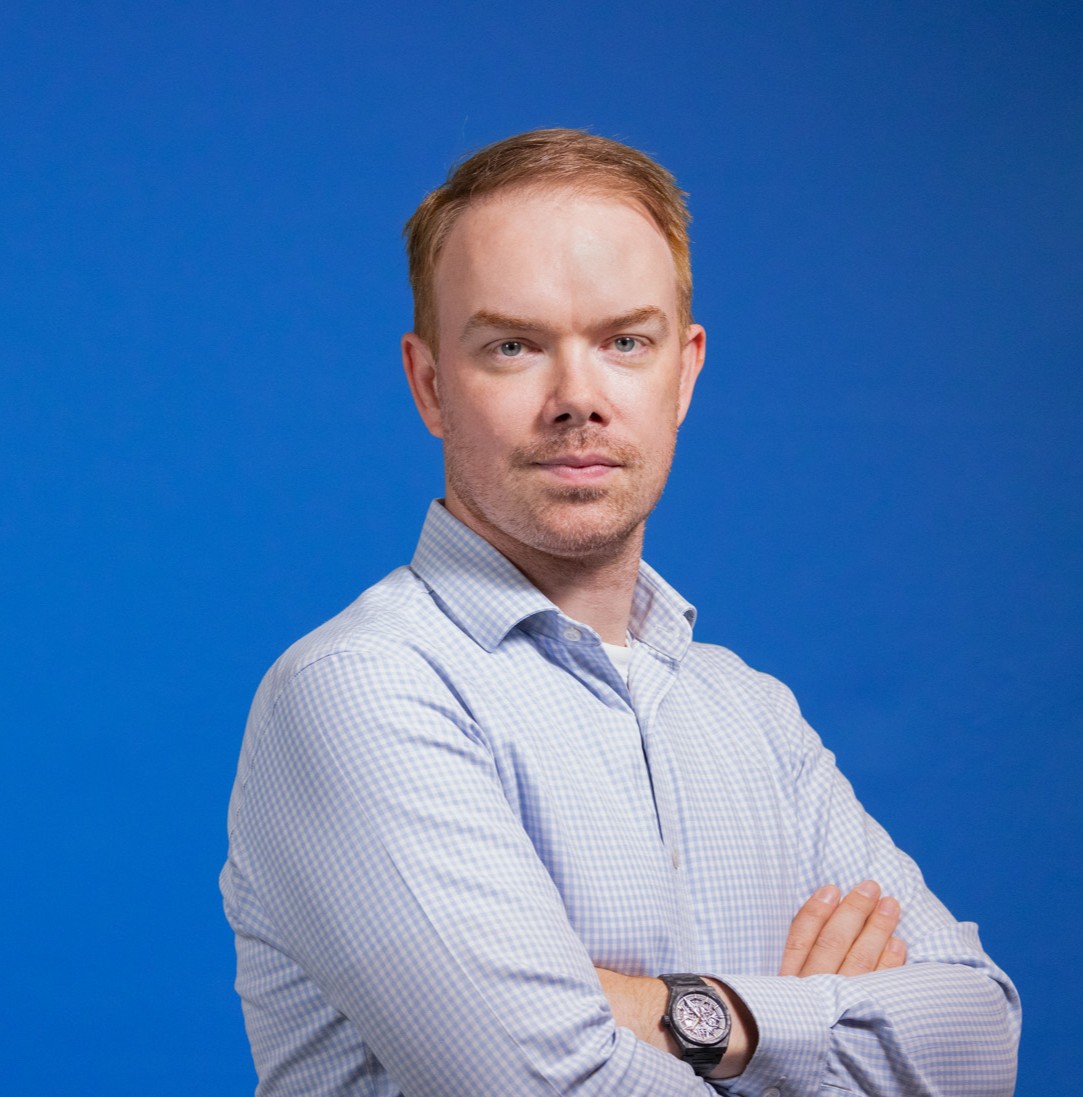
Stuart is the Founder and CEO of Buckhill, the company behind the award-winning C2MS® platform. With 15+ years of experience in insurance, finance and technology, he leads Buckhill’s strategy and product innovation while guiding marketing expansion and technical prowess. Stuart has spent his career designing qnd modernising the systems that sit beneath policy administration, claims, underwriting and delegated authority business. He is an award-winning thought leader on systems architecture and AI sovereignty and is passionate about conversations surrounding what technology ownership really means in a regulated market.
.png)
.png)
.png)
.png)
.png)
.png)


.png)